How to Choose the Right Buggy for Dubai's Desert Terrain
Understanding Your Options in the Sand
Dubai's desert landscape offers a unique playground for off-road enthusiasts, with vast sand dunes and rugged trails that demand a capable vehicle. When you're looking to experience this terrain, the choice of buggy can make a significant difference in comfort, control, and enjoyment. Whether you are a first-time rider or someone with experience, selecting the right machine involves more than just picking a flashy model. It requires understanding how the vehicle handles, what safety features matter, and how the design suits the specific conditions of the desert.
The market for off-road vehicles in Dubai includes everything from basic models to high-performance machines. A common starting point is the dune buggy, which is built specifically for sand driving. These vehicles typically have lightweight frames, wide tires for flotation, and powerful engines to climb steep slopes. However, not all buggies are created equal. Some are designed for speed on flat stretches, while others excel at crawling over uneven dunes. Your choice should match the type of riding you plan to do, whether that is a leisurely tour or a more adrenaline-focused session.
Key Factors to Consider When Selecting a Buggy
Engine Power and Type
The engine is the heart of any off-road vehicle. For desert use, you generally want a motor that provides strong torque at low speeds to help you crest dunes without losing momentum. Many buggies use either gasoline or diesel engines, with gasoline being more common for recreational models. Horsepower ratings can vary widely, but a good rule is to look for a machine that can handle the steepest dunes you expect to encounter. A underpowered buggy may struggle to climb soft sand, which can be frustrating and even dangerous if you get stuck in a remote area.
Pay attention to the cooling system as well. Dubai's heat can push an engine to its limits. Buggies with efficient air or liquid cooling systems tend to perform more consistently during long rides. If you plan to ride during the hotter months, a model with a robust cooling setup is worth prioritizing.
Tire Design and Traction
Tires are another critical component. The desert floor is loose and shifting, so standard tires meant for pavement or hard dirt will not work well. Look for buggies equipped with wide, paddle-style tires that can grip the sand. These tires have deep treads that dig into the surface, providing the traction needed to push forward. Narrow or worn tires can cause the vehicle to slide sideways on dunes, increasing the risk of tipping.
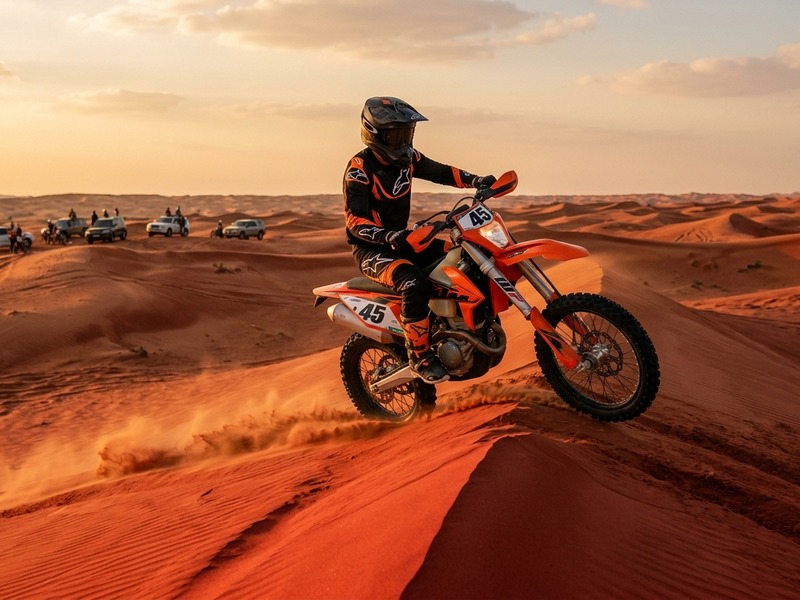
Some buggies come with adjustable tire pressure systems, which allow you to lower pressure for better flotation on soft sand. This feature can be a real advantage, as it lets you adapt to changing conditions without stopping to manually deflate and reinflate tires. If you have the chance, test a model that offers this flexibility.
Safety Gear and Vehicle Features
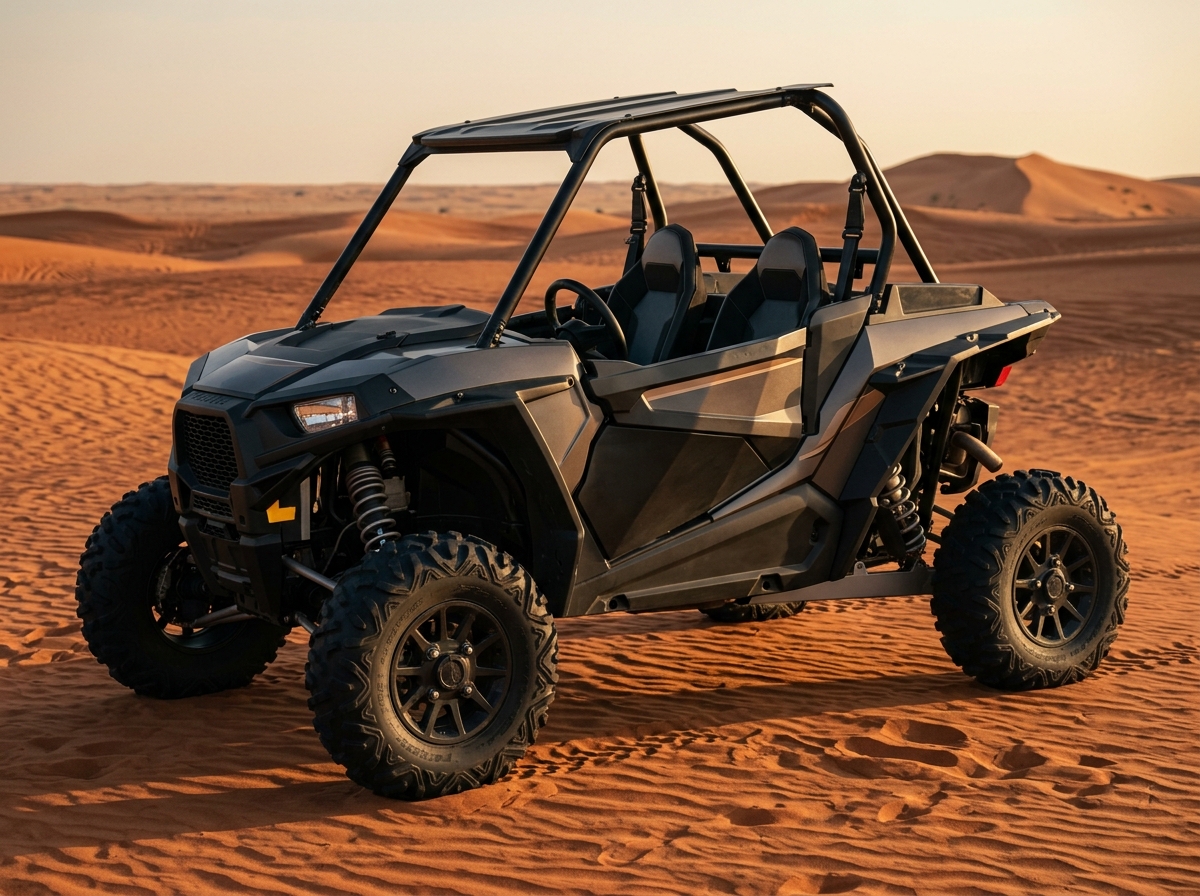
Riding a buggy in the desert is an exhilarating experience, but it comes with inherent risks. A responsible choice involves checking the safety equipment that comes with the vehicle. A sturdy roll cage is essential, as it protects you in the event of a rollover. Many buggies also include seat belts, harnesses, and sometimes even helmets. Never compromise on these basics. Even if you are an experienced driver, the desert terrain can be unpredictable, and a roll cage that meets safety standards can prevent serious injury.
Another feature to consider is the braking system. Sand can reduce braking effectiveness, so buggies with disc brakes or hydraulic brakes tend to offer better control. Some models also include a parking brake, which is useful when you stop on a slope. Check that the brakes are responsive and not overly sensitive, as sudden stops on loose sand can cause skidding.
Lighting and visibility matter too. If you plan to ride during early morning or late afternoon when the sun is low, glare can be a problem. Some buggies come with tinted windshields or visors. A good field of view from the driver's seat is also important; you need to see the terrain ahead clearly to avoid hidden dips or rocks.
Terrain Suitability and Buggy Trail Experience
Not every buggy handles every type of desert terrain equally. Some areas have hard-packed sand that allows for higher speeds, while others feature soft, powdery dunes that require careful navigation. If you intend to explore established buggy trails, you might prefer a model with a tighter turning radius and a shorter wheelbase, which makes it easier to maneuver around sharp corners. Longer wheelbases tend to be more stable at high speeds but can be less nimble on tight switchbacks.
The suspension system also plays a big role. Desert riding involves constant bumps and dips. A buggy with good shock absorption will keep you more comfortable and reduce fatigue on longer rides. Look for models with adjustable suspension, as you can fine-tune them for the specific trail conditions you encounter. Some high-end buggies feature independent suspension on all four wheels, which provides a smoother ride over uneven ground.
Comparing with Other Off-Road Vehicles
While a dedicated dune buggy is often the best choice for pure sand driving, you might also encounter quad bikes or all-terrain vehicles (ATVs) during your search. Quad bikes are smaller and more nimble, but they offer less protection and storage space. They can be fun for short trips, but for longer excursions or if you plan to carry gear, a buggy is generally more practical. The enclosed cabin of a buggy also provides some shade and protection from the sun, which is a real benefit in Dubai's climate.
Another option is a side-by-side vehicle, which seats two or more people and often includes a steering wheel rather than handlebars. These can be a good middle ground, offering more passenger space than a quad bike but still being smaller than a full-sized buggy. However, side-by-sides may not have the same level of sand-specific design as a purpose-built dune buggy. For serious desert exploration, a buggy tailored for sand remains the top recommendation.
Practical Tips for Your First Ride
Before you head out, familiarize yourself with the basic controls of the buggy you choose. Each model may have slightly different pedal placement, gear shifting, or steering sensitivity. Take a few minutes to practice in a flat, open area before tackling the dunes. This will help you build confidence and avoid mistakes when you are on a slope.
Understanding the concept of "dune reading" is also useful. Experienced drivers look at the shape and color of the sand to judge its firmness. Lighter sand is often softer, while darker patches may be wetter and more compact. Learning to spot these cues can help you choose your line and avoid getting stuck. If you are new, consider riding with someone who knows the area well. They can guide you on safe routes and point out potential hazards.
A dubai buggy ride is best enjoyed when you are prepared. Make sure you have plenty of water, sun protection, and a means of communication in case of an emergency. Even on a guided tour, carrying a charged phone or a radio can be a lifesaver. Also, check the weather forecast before you go. Strong winds can create sudden sandstorms that reduce visibility, making navigation difficult. If conditions look bad, it is wise to postpone your trip.
Maintenance and Care After the Ride
Once you finish your ride, the work is not over. Sand can get into every part of the vehicle, from the engine to the bearings. If you own or rent a buggy, take time to clean it thoroughly after each use. This includes washing the exterior, checking the air filter, and lubricating moving parts. Sand left in the engine intake can cause wear over time, so a good cleaning routine extends the life of the vehicle.
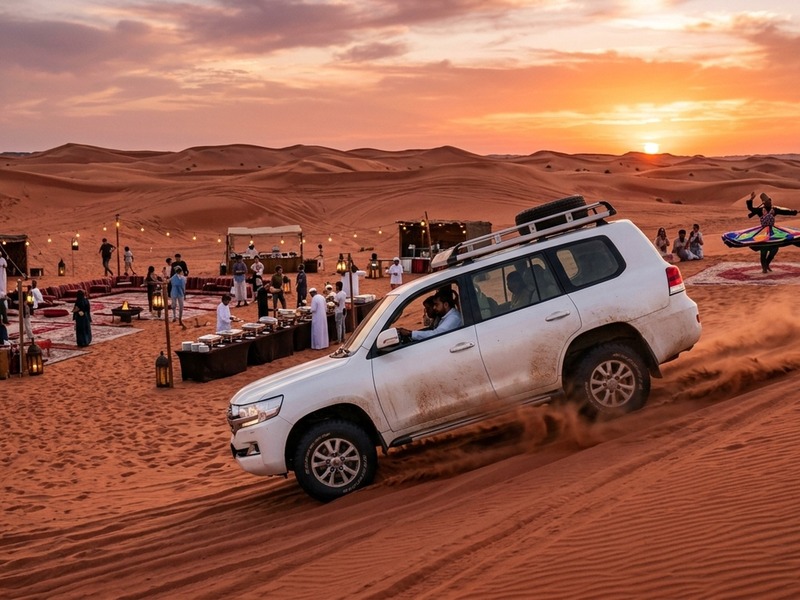
If you are renting, ask the operator about their maintenance schedule. Reputable companies will have a system in place to check and service their fleet regularly. A well-maintained buggy is less likely to break down on the trail, which is both safer and more enjoyable. Do not hesitate to inspect the vehicle yourself before you set off. Look for any obvious damage, loose bolts, or fluid leaks. A quick visual check can prevent problems later.
In summary, the right buggy for Dubai's desert is one that matches your skill level, your intended use, and the specific terrain you plan to ride. Prioritize safety features, engine reliability, and tire design. Take time to test a few models if possible, and always ride with respect for the environment and your own limits. By following these steps, you can ensure that your time on the sand is both thrilling and safe.
Whether you are a seasoned rider or a newcomer, a dubai buggy adventure offers a unique way to experience the desert. The key is to choose a vehicle that fits the conditions and your personal preferences. With the right preparation and equipment, you can make your desert outing a memorable one.